 how-to
7 Ski Boot Cleaning and Storage Mistakes to Avoid
Practical care guidance for stored or travel-ready boots. Always follow the care instructions from your boot and liner manufacturer first.
Quick Summary
For ski boot cleaning and storage in Breckenridge, the fundamentals are simple: remove snow and road grit from the shell, let every component dry thoroughly at moderate temperature, and store boots away from prolonged heat, damp, and direct sun. A little care between trips helps keep gear ready for the next mountain day.
- Dry boots fully before closing them up for the night or off-season.
- Avoid radiators, ovens, hair dryers, and other uncontrolled high heat.
- Check manufacturer guidance before washing liners, footbeds, or shell components.
- Store boots clean, dry, and protected from sun, heat, and moisture.
1. Putting boots away damp
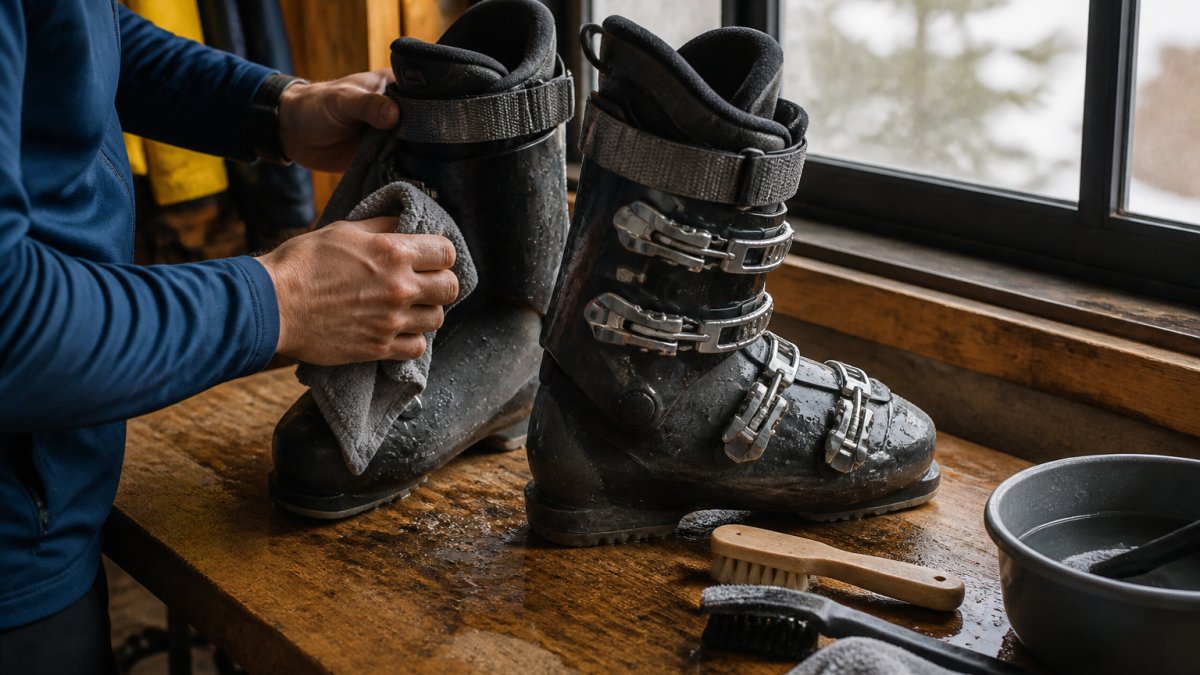
The most common mistake is closing damp boots into a bag, car trunk, or closet. After skiing, brush off snow and grit, open the shells, and give the boots airflow. If liners or footbeds are removable on your model, take them out only as directed by the manufacturer and allow all parts to dry completely before storage.
2. Trying to dry them fast with high heat
Heat can affect plastics, adhesives, foams, and fit systems. Skip a radiator, oven, fireplace hearth, or hair dryer. Instead, choose a ventilated room, a gentle fan, or a boot dryer used according to its instructions. The goal is steady drying—not the hottest possible temperature.
3. Treating every liner the same way
Liner construction varies. Before washing, soaking, or applying deodorizer, check the manufacturer’s care guidance for your specific boot. When a light clean is appropriate, start conservatively: remove loose debris, use a soft cloth, and allow time to dry. If a boot has a persistent odor, damaged foam, or a fit issue, a qualified bootfitter is a better first call than an aggressive home treatment.
4. Ignoring the parts that collect moisture
Footbeds, tongues, buckles, and the inside of the shell all deserve a quick check. Wipe away visible moisture and debris, make sure buckles can move freely, and do not leave paper, hand warmers, or snacks inside the boot. Small habits help prevent unpleasant surprises on the next ski day.
5. Storing boots in the wrong place
A dry, temperate indoor space is generally kinder to ski gear than a damp basement, hot garage, or sunny porch. For longer breaks, keep boots upright, loosely buckled if the manufacturer recommends it, and protected from crushing. Avoid sealing them up until they are completely dry.
6. Waiting until arrival day to inspect them
Before your next trip, check soles, buckles, straps, liners, and footbeds. If anything looks worn, loose, or unfamiliar, schedule service before the mountain gets busy. Doing this ahead of time is especially helpful for families and second-home owners arriving for a short stay.
7. Hauling gear home when you do not need to
APRÈS Valet offers Breckenridge members a simpler option: secure gear storage with service options designed around the return-to-the-mountain rhythm. Review current membership, collection, cleaning, and tune-and-wax details before booking, then choose only what fits your gear and schedule.
Before You Store: A Simple Checklist
- Brush off snow, grit, and visible debris.
- Let boots dry fully with good airflow and moderate temperature.
- Follow the manufacturer’s instructions for liners, footbeds, and cleaning products.
- Inspect buckles, soles, straps, and fit components before your next trip.
- Choose a dry, indoor storage location away from prolonged heat and direct sun.
Gear should make your next Breckenridge arrival easier, not create another chore. When you would rather leave the storage and seasonal preparation to someone else, APRÈS Valet is ready to help.Explore APRÈS Valet →
Frequently Asked Questions
How do you clean ski boots after a day on the slopes?
After a ski day, brush off snow and visible grit, open the shells for airflow, and let boots dry at a moderate temperature. Follow the care guidance supplied by your boot manufacturer before removing, washing, or treating liners and footbeds.
Can ski boots be stored with the liners inside?
It depends on the boot. If your liners are removable, follow the manufacturer’s instructions and only remove them when it is appropriate for your model. The key is making sure boots are fully dry before longer storage.
How do you prevent ski boots from smelling?
Start with complete drying and good airflow. Products such as inserts or deodorizers can be useful when they are compatible with your boot materials, but they are not a substitute for drying the boot after use.
Where should ski boots be stored between ski trips?
Choose a dry, temperate indoor space away from prolonged heat, direct sun, and moisture. For an extended break, inspect boots first and store them in the manner recommended by their manufacturer.
